
How Can I Best Heal from Chronic Pelvic Pain/Dysfunction?
Oct 17, 2020
Natural and Safe Ways to Heal Chronic Pelvic Pain
Chronic pelvic pain often improves when you combine proper medical evaluation with safe natural strategies like calming the nervous system, gentle movement, and pain education. Focus on low impact activity, stress reduction, quality sleep, and anti inflammatory nutrition to reduce flare ups and support healing. Consistent daily self care done safely over time is key to long term relief.
Introduction
Chronic pelvic pain is defined as persistent pain or discomfort in the pelvic region lasting six months or longer and it can affect people of all ages and genders. Unlike short-term pelvic pain, chronic pelvic pain often continues even after initial treatment and may involve muscles, nerves, organs, or the nervous system itself. For many individuals this ongoing pain can interfere with daily activities, relationships, sleep, and overall quality of life.
If you’re searching for ways to heal chronic pelvic pain naturally and safely, it’s important to understand that effective healing often involves more than one approach. This guide explores evidence based natural healing strategies that can work alongside appropriate medical care, including mind body techniques, gentle movement, pain education, and supportive lifestyle changes. By focusing on safe approaches to chronic pelvic pain healing, this article aims to help you better understand your pain and take informed, practical steps toward long term relief.
What Is Chronic Pelvic Pain?
Chronic pelvic pain is persistent pain or discomfort in the pelvic area that lasts six months or longer. It may feel like a constant ache, sharp or stabbing pain, pressure, or burning, and symptoms can vary from day to day. Many people notice pain during activities such as urination, bowel movements, sexual activity, or prolonged sitting, which can significantly impact daily life.
Unlike acute pelvic pain, which usually has a clear cause and resolves with treatment, chronic pelvic pain continues beyond normal healing time. It can involve multiple systems in the body, including the urinary, reproductive, digestive, and musculoskeletal systems, as well as the nerves. Because of this complexity, chronic pelvic pain often requires a safe, comprehensive, and long term healing approach rather than a single treatment.
Why Traditional Medical Diagnosis and Treatment Are Important
Although many people look for ways to heal chronic pelvic pain naturally, a thorough medical diagnosis is an essential first step. It can be linked to a wide range of conditions, and proper evaluation helps rule out serious or treatable causes. A healthcare provider will usually begin with a detailed medical history and physical exam, followed by lab tests, imaging, or other diagnostic procedures if needed.
Traditional medical treatment may include pain relievers, antibiotics, muscle relaxants, or hormone related therapies, depending on the suspected cause. Medical care plays a crucial role in identifying underlying issues, such as infections, inflammation, organ-related conditions, or structural problems, that may require targeted treatment. Urgent evaluation is especially important if pelvic pain is sudden, severe, worsening rapidly, or accompanied by symptoms like fever, unexplained bleeding, or significant changes in bowel or pain bladder function. Once serious conditions are addressed many people find that combining medical care with safe, natural healing approaches offers the most effective path toward long-term relief.
How Can Chronic Pelvic Pain Be Healed Naturally? [3]
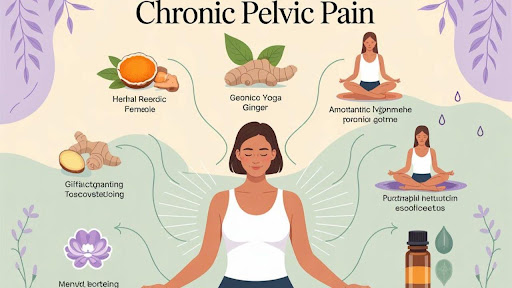
Healing chronic pelvic pain often requires holistic, natural, and safe approaches that work alongside medical care, not replace it. Because it can involve the nervous system, muscles, and stress responses, effective healing focuses on calming the body, improving movement safety and changing how pain is processed over time.
Mind Body Techniques for Nervous System Healing
Chronic pelvic pain is often linked to a sensitized nervous system that continues sending pain signals even when there is no active injury. Mind-body techniques such as pain education, deep breathing, mindfulness, and meditation help calm this response and reduce stress related pain flare ups. PelvicSense emphasizes nervous system retraining to support long term pelvic pain relief.
Movement and Pelvic Floor Safety
Safe movement is essential for healing. Gentle, low impact activities like walking, light stretching, and yoga can improve circulation and reduce muscle tension without increasing pain. Learning pelvic floor coordination instead of straining or over strengthening helps protect sensitive tissues and supports healthier pelvic function.
Pain Education and Behavior Change
Understanding how pain works can reduce fear and anxiety, which often worsen chronic pelvic pain. Pain education and guided learning tools help change unhelpful beliefs and habits, allowing the brain and body to respond more calmly to movement and daily activities, supporting gradual and sustainable healing.
Supportive Lifestyle Changes That Aid Healing
Daily lifestyle habits can play an important role in chronic pelvic pain healing. Small consistent changes that support the body can reduce inflammation, calm the nervous system and improve overall comfort. These habits work best when combined with medical care and gentle healing approaches.
Anti Inflammatory Diet and Nutrition
Food choices can influence inflammation and pain sensitivity. Eating whole nutrient rich foods may support healing and improve energy levels.
Foods that support healing include fruits vegetables, lean proteins, healthy fats and whole grains. These foods provide nutrients that help the body recover and regulate inflammation.
Foods to avoid that may worsen pain include highly processed foods added sugars, excessive caffeine and alcohol. These may increase inflammation or irritate the bladder or digestive system and increase pain bladder.
Sleep and Stress Management
Sleep quality matters because the body processes and regulates pain during rest. Poor sleep can increase pain sensitivity and slow healing.
Simple daily routines such as consistent sleep schedules, calming bedtime habits, gentle breathing and limiting screen time before bed can improve rest and support recovery.
Hydration and Bowel Health
Regular bowel habits help reduce pelvic pressure and discomfort. Straining or constipation can increase pelvic tension and pain.
Staying well hydrated supports digestion circulation and tissue health. Adequate water intake can help maintain bowel regularity and reduce irritation that may contribute to chronic pelvic pain.
PelvicSense Guided Healing Programs
PelvicSense offers guided home programs to support safe and long term healing from chronic pelvic pain. PelvicSense Silver includes the complete home program and access to a private Facebook support.
PelvicSense Gold includes the full program private group and monthly live Zoom sessions with founder Evelyn Hecht PT. These programs reflect the education and gentle mind body exercises typically provided in multiple pelvic physical therapy sessions helping many women achieve lasting pelvic pain relief.
Frequently Asked Questions
Can chronic pelvic pain be healed naturally?
Yes. Many people experience improvement through safe natural approaches such as nervous system calming gentle movement pain education and lifestyle changes often alongside medical care.
How long does healing chronic pelvic pain take?
Healing time varies. Some people notice improvement within weeks while others need months of consistent self care depending on the cause and nervous system sensitivity.
What exercises help chronic pelvic pain?
Gentle low impact activities such as walking, light stretching breathing exercises and yoga are often helpful when done safely and without strain.
Is chronic pelvic pain psychological or physical?
It can be both. Chronic pelvic pain often involves physical factors and nervous system responses which means it is real and not imagined.
Conclusion
Healing chronic pelvic pain often requires a natural and safe approach that supports the body over time. Gentle movement, nervous system calming pain education and healthy lifestyle habits can all play an important role in reducing symptoms and improving daily comfort.
The most effective path forward is usually a balanced one that combines proper medical care with consistent self care practices. If you are looking for structured guidance and support PelvicSense offers a guided healing program designed to help you safely reconnect with your body and move toward long term pelvic pain relief.
Author
