
PelvicSense, A Biopsychosocial Model for Chronic Pelvic Pain Relief
Apr 22, 2022
Key Takeaways
- Chronic pelvic pain can continue even when medical tests do not find a clear cause. This often leaves people feeling trapped in discomfort.
- The biopsychosocial model shows that health and healing depend on how your body, mind, and social life work together, not just on physical test results.
- PelvicSense takes a whole-person approach to help you retrain your nervous system, immune system, brain and body for real relief and better pelvic health.
What is Chronic Pelvic Pain and why it happens
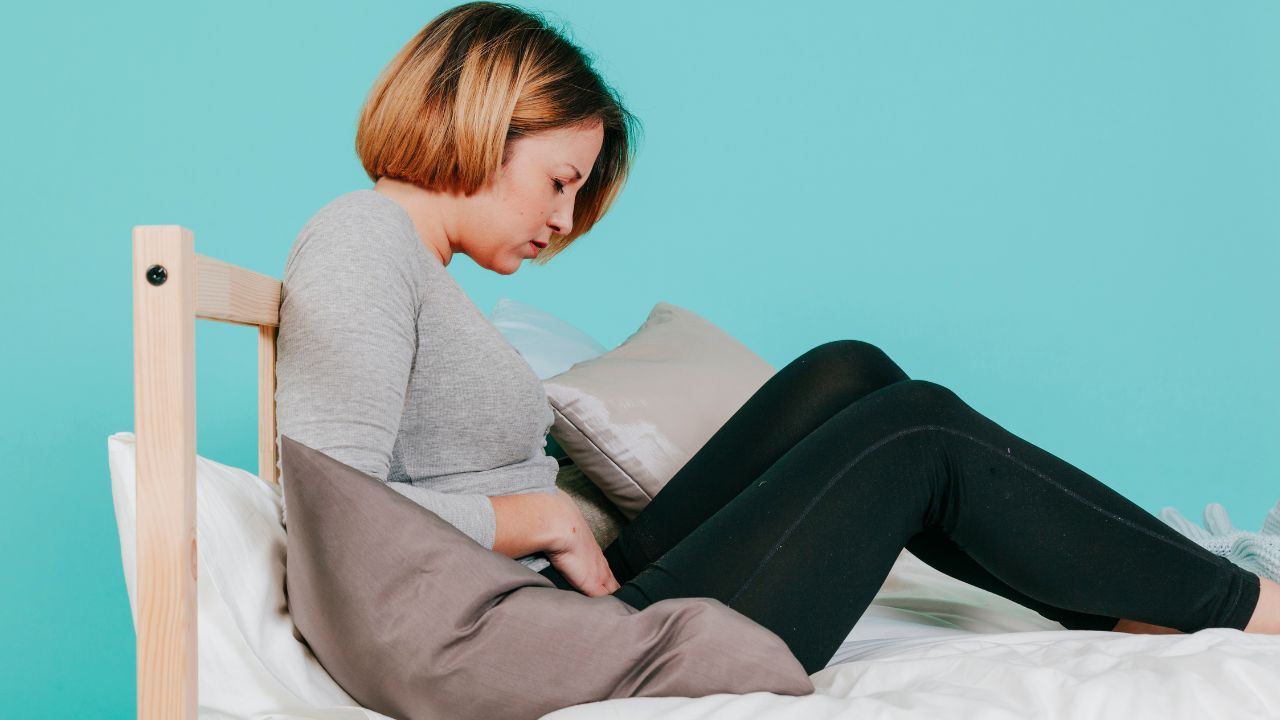
Chronic pelvic pain can begin with conditions like Endometriosis, Interstitial Cystitis, Vulvodynia, or IBS. If pain keeps going even after normal test results and treatment, it is often because the nervous system, immune system, and brain are reacting to signals in a new way. They may sense more danger or threat, even if there is no new or ongoing tissue damage.
This means the focus shifts from just finding a physical tissue issue as the cause of distressing symptoms to understanding how pain is manifested and maintained by the nervous system, immune system, and brain as a form of overprotection.
Breaking the stigma around Pelvic Health
Many people with pelvic pain feel misunderstood or judged, especially when tests do not give clear answers. Neuroscience shows that ongoing pain often comes from a process called central sensitization. After three months of pelvic pain or distressing sensations, the nervous and immune systems can become more sensitive, interpreting many types of input as threats, whether they are physical, emotional, psychological, or social.
When the brain gets too many signals of danger, it can become overprotective, almost like a very watchful parent. This can increase your pain or other pelvic distress signals. The brain also tells the muscles around the pelvic area to stay tense all the time, even if there is no new or ongoing injury.
Knowing about this change in the central nervous system (spinal cord and brain) does not mean your pain is 'all in your head.' It means your body’s alarm system is stuck on high alert.
Recognizing the Signals of Central Sensitization
Noticing these signs can help you tell the difference between pain caused by tissue problems and pain that is made worse by the nervous system:
- Ongoing symptoms despite repeated negative tests
- Pain that shifts location, comes and goes, or spreads over time
- Symptoms that worsen when pain is the focus, but ease when distracted
- Reduction in pain during enjoyable or engaging activities
- Short-lived relief after medical or manual therapies, followed by symptom return
How your Brain acts as an Internal Pharmacy
The brain works as a control center, always balancing signals of threat and safety. If it senses ongoing danger, whether from stress, memories, or physical feelings, it can make pain feel stronger. But just as the brain can learn to be overprotective, it can also learn to calm down. With education, self-soothing, and movement, the brain can release natural chemicals that reduce pain and restore balance. This is like having an internal pharmacy you can use by practicing self-management tools for at least 3 months.
Real-World Evidence
A recent study by Levesque et al. (2020) described the signs of central sensitization in chronic pelvic and perineal pain. They found that hypersensitivity, pain in many areas, and changing symptoms are key features. These are clear signs for clinicians to consider central mechanisms (the spinal neurons, immune system and brain) as important drivers of pelvic pain or related distress sensations such as urinary urgency burning, itching, non-sexual arousal, bowel dysfunction and abdominal bloating (Levesque et al., 2020).
Digital tools are now available to help patients manage their health every day. For example, a pilot study in women with Endometriosis tested a digital program that included pain education, guided body scans, meditation, journaling, and gentle movement. The study compared two groups of women with Endometriosis. Those who used the three-month program had better quality of life, less anxiety, and less pain than the control group (Breton et al., 2025).
The Biopsychosocial Model to Pelvic Healing
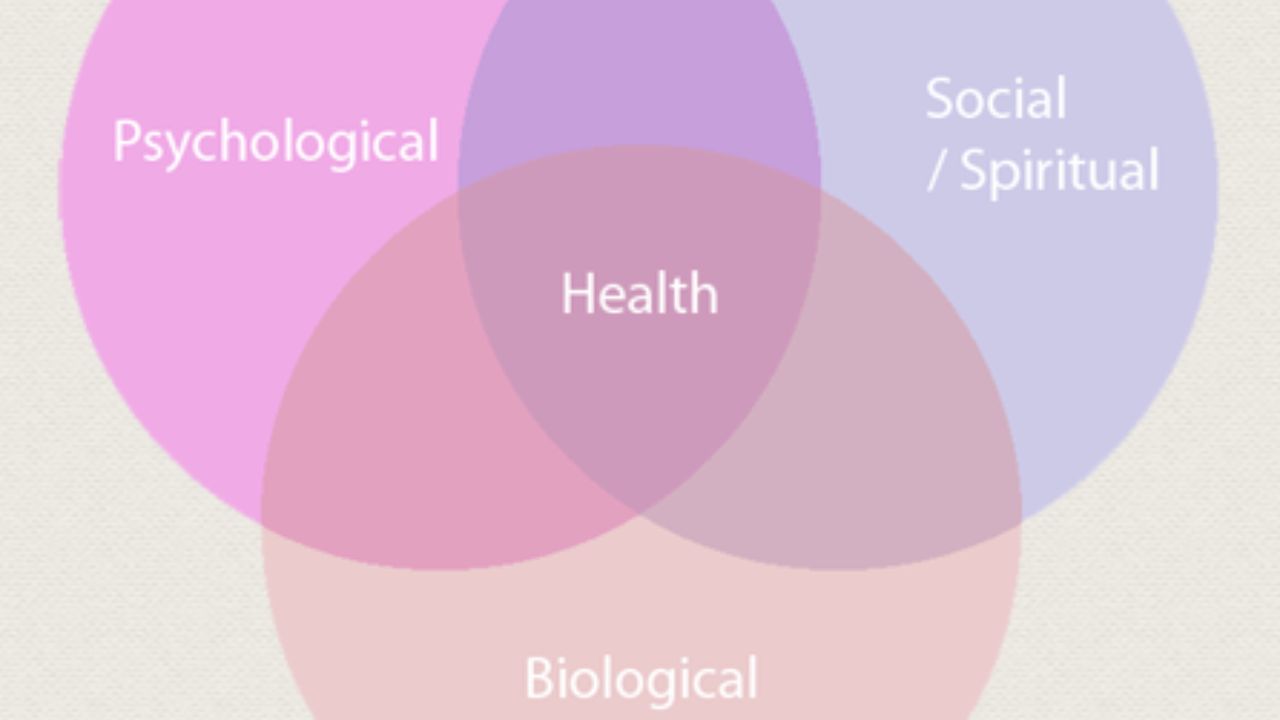
The biopsychosocial model explains that health is shaped by how your body, mind, social life, and even spiritual beliefs work together. For chronic pelvic pain, this means looking beyond just physical symptoms and thinking about stress, beliefs about pain, support from others, and daily habits. Treating the whole person, not just the symptoms, increases the likelihood of healing (Kiesel & Druzin, 2021). PelvicSense is unique because it combines pain education, emotional awareness, calming mind practices breathing, and gentle movement in a simple, evidence-based program.
According to the Biopsychosocial Model, What Determines Health?
Health comes from the connection between your mind, body, and environment. Stress, beliefs, relationships, and lifestyle all affect your physical health. This approach looks beyond just treating symptoms and aims to improve your overall well-being. Recovery is possible. By using the biopsychosocial approach and tools like PelvicSense, you can retrain your central nervous system, find relief, and take back your pelvic health, one step at a time.
Persistent pelvic pain does not always mean there is ongoing damage. If you have been living with pelvic pain or discomfort, it is important to know that your nervous system, immune system, brain, and body can heal and adapt. By learning how pain works and starting a self-care practice alongside medical treatment, you can take an active role in your recovery.
Evidence-based digital tools like PelvicSense help you build new pathways to pelvic wellness, moving beyond just a biomedical approach and using a biopsychosocial model that treats your whole self.
This approach is about more than just relieving symptoms. It is about giving you real empowerment and hope as you manage long-term pelvic pain. You are not alone, and with the right knowledge and support, meaningful change is possible.
How to use PelvicSense for Recovery
PelvicSense takes you through a step-by-step process to help retrain your body and brain. Here is how each step can support your recovery:
Trio of Healing Skills
- Learn: Understand why ongoing pain occurs, what is happening in your nervous system, immune system, and brain, and how to respond differently and eventually reduce fear. Education helps you see persistent pain or pelvic distressing sensations as an overprotective signal, not always a sign of new or ongoing physical issues
- Rewire: Listen to guided audios with relaxing music to help you unwind. Practice self-soothing skills like positive self-talk, quiet focus for calm, and mindfulness to help downregulate or desensitize your nervous system and change pain pathways.
- Move: Follow gentle, mindful movement videos that use breathing to improve your mobility, build trust in your body, and help you feel safe.
Use these practices every day to build resilience and keep making progress, with the PelvicSense digital program there to guide and support you.
A Message of Real Hope for Patients
When medical tests do not give clear answers, people often feel ignored, misunderstood, or hopeless. Clinicians can help by looking at ongoing pelvic pain through the lens of central sensitization, rather than purely as a tissue issue, which offers a new way forward.
- Your pain is real and valid.
- Your nervous and immune systems are adaptable; they can relearn what is safe.
- What to Expect from the PelvicSense Program
By using PelvicSense, you will learn practical skills to understand what is causing your pelvic pain or ongoing discomfort. PelvicSense helps you manage pain, reduce anxiety, and support your healing journey. You can learn at your own pace, with gentle guidance focused on self-compassion, emotional strength, mindful movement, and the restoration of healthy function of the bladder, sexual, bowel, and core stabilization. When you practice regularly along with your medical care, many people find that after about 3 months, they have less pain, move more easily, feel more comfortable in social situations, and feel more in control of their pelvic health and overall well-being.
FAQs
Can pelvic pain cause other health issues?
Yes. Ongoing pelvic pain can affect your sleep, mood, digestion, sexual health, and relationships. This is why it is important to take a holistic approach.
What factors influence health according to the Biopsychosocial Model?
Health depends on how your body, mind, and social life interact. The biopsychosocial-spiritual model also looks at your personal meaning and beliefs.
Is PelvicSense a replacement for a doctor?
No. PelvicSense can support your recovery, but it is not a replacement for professional medical advice. It is meant to work with your healthcare provider’s recommendations, not take their place. Since wait lists to see a pelvic physical therapist are often 4-6 months long, after seeing your doctor, you can start using PelvicSense at home to help your pelvic health.
Do I need special equipment for the movement exercises?
You do not need any special equipment. The exercises use your own body, a few pillows, and rolled towels for comfort, so they are easy for everyone.
Conclusion
Living with chronic pelvic pain can feel overwhelming, but there are new ways forward. The PelvicSense approach and the biopsychosocial model invite you to see pain in a new way, not as a life sentence, but as a challenge you can actively address with the right tools, knowledge, and support.
Research now shows that self-management, including pain science education, gentle movement, and daily self-care practices, can play a key role in healing chronic pelvic pain. Progress may take time, and it’s normal to experience ups and downs along the way. Experiencing flares is also normal; they are usually short-lived and do not mean your approach isn’t working.
By retraining your body and mind, and staying connected with your healthcare team, you can find real relief and gradually reclaim your quality of life. Even small steps forward are meaningful.
References
- Levesque A, et al. (2020). Clinical Criteria of Central Sensitization in Chronic Pelvic and Perineal Pain. Pain Physician. 🔗 https://doi.org/10.36076/ppj.2020.23.4.333
- Breton Z, et al. (2025). A Digital Program for Daily Life Management with Endometriosis: Pilot Cohort Study. JMIR Formative Research, 9, e58262. 🔗 https://doi.org/10.2196/58262
- Kiesel, L., & Druzin, M. L. (2021). Biopsychosocial approaches to chronic pelvic pain: Rethinking assessment and treatment. International Urogynecology Journal, 32(3), 669-678. 🔗 https://doi.org/10.1007/s00192-020-04654-9
Author
