
From Fight-or-Flight to Relief: Home Strategies for Pelvic Pain, Backed by Pelvic Pain Centers
Jun 02, 2026
Key Takeaways
- Chronic pelvic pain is often the result of the body’s stress response, not just physical injury or illness.
- The nervous system can become overly sensitive through central sensitization and neuroplasticity, amplifying pain signals.
- Home techniques such as diaphragmatic breathing, vagus nerve stimulation, and grounding can help retrain your body’s response to stress and reduce pain.
- A comprehensive pelvic health home program such as PelvicSense done alongside medical care that addresses both mind and body may be an effective path to recovery for many people.
- Sustainable lifestyle changes are crucial for lowering baseline stress and supporting nervous system health over time.
What Is the Fight-or-Flight Response and Why Does It Happen
The “fight-or-flight” response helps keep us safe. When the brain senses a threat, such as a dangerous animal or a stressful email, it signals the body to prepare for action. This process involves the autonomic nervous system, which releases stress hormones like adrenaline and cortisol.
These hormones trigger several physical changes: your heart beats faster, your breathing speeds up, your muscles tighten, and your senses become more alert. While this is helpful in short bursts, many people today face unrelenting stress that keeps the body on high alert. If the nervous system does not return to a relaxed state after stress, it can lead to long-term health problems, including chronic pain.
Dr. Bruce S. McEwen, in “The Stress Response and the Autonomic Nervous System: A Practice Update,” explains that when this system is activated too frequently, it alters how the nervous system functions. This process is called neuroplasticity. Over time, the body becomes accustomed to stress, and it takes less to trigger the fight-or-flight response.
How This Can Cause Pelvic Pain
The Link Between the Brain, Body, and Pain
The pelvic region is uniquely vulnerable to stress for several reasons. It contains a dense network of nerves, muscles, and connective tissues, all closely connected to both the spinal cord and the brain. When the fight-or-flight response is repeatedly triggered, pelvic floor muscles can become habitually tense, even when there’s no real threat.
Central sensitization is a scientific term for the phenomenon in which the nervous system becomes more sensitive to input. According to Clifford J. Woolf’s seminal paper, “Central Sensitization: Implications for the Diagnosis and Treatment of Pain,” this means the spinal cord and brain start to amplify everyday experiences, interactions, and thoughts as threats. The brain receives a tidal wave of threat signals and responds by sending pain or other distressing sensations like burning, urgency, pain, itching, and other distressing sensations. What starts as a normal response to injury or stress can evolve into pain that persists long after the initial cause has resolved or when the injured body tissue has fully healed.
Everyday Example
Imagine you touch a hot stove. The pain you feel teaches you to avoid that in the future. But with central sensitization, your nervous system gets stuck in “alert mode.” Now, even a gentle touch, or just thinking about heat, can trigger that stress loop of pain. In the pelvis, this can show up as pain or discomfort with sitting, sex urination, bowel movement, or even light physical activity.
Neuroplasticity: The Brain Learns Pain
Neuroplasticity is the brain’s ability to rewire itself based on experience. This is how we learn new skills, but it also means we can “learn” pain. Dr. Lorimer Moseley, in “Pain and the Neuromatrix in the Brain,” explains how thoughts, memories, and emotions can all become linked with pain signals. Over time, the brain gets better at producing pain, even when there’s no physical danger.
This is why pelvic pain often gets worse during stressful times, even if there is no injury. The pain is not “all in your head.” It is in your sensitized nervous system, the immune system that sends more pro-inflammatory molecules instead of anti-inflammatory molecules, and an overprotective brain that sends pain. This is a learned loop that can be unlearned.
Why the Pelvic Floor Reacts to Stress
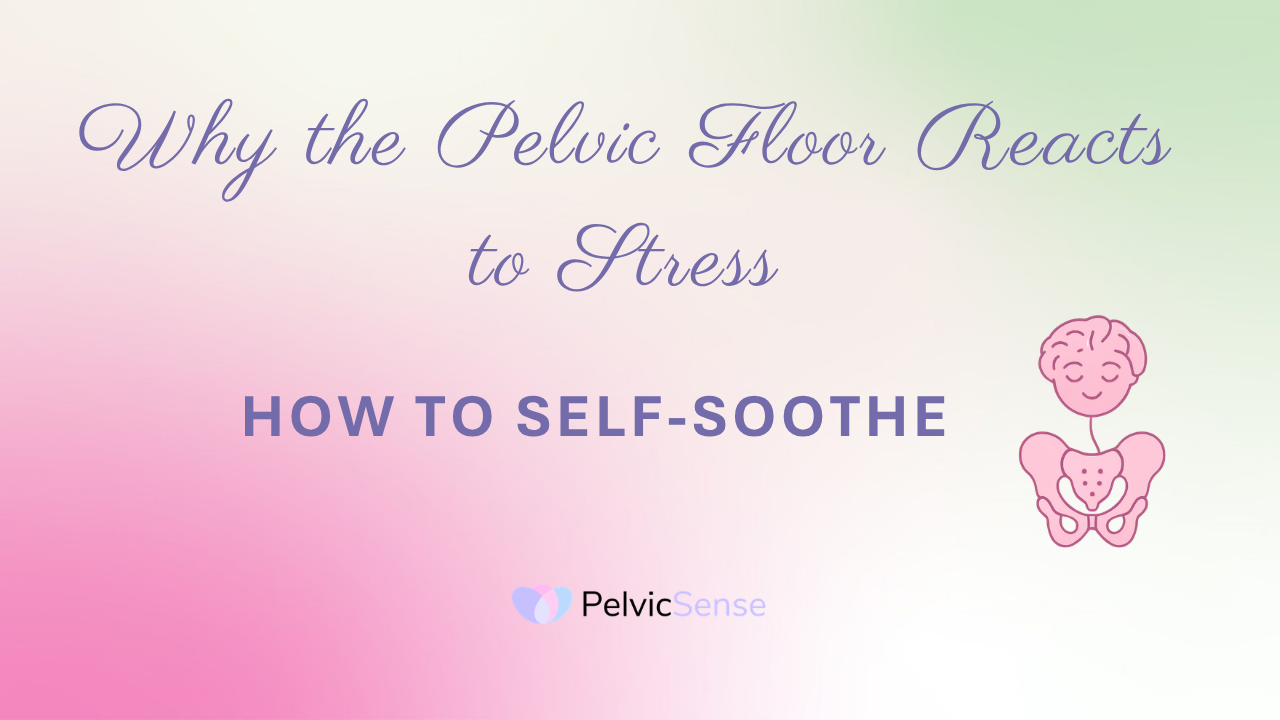
The pelvic floor is a group of muscles and connective tissues that form the base of your pelvis. These muscles support your bladder, bowel, and reproductive organs and play a key role in posture and movement. But they’re also highly sensitive to emotional stress.
When you’re stressed, your body’s instinct is to brace itself. Many people unconsciously clench their jaw, fists, or shoulders. The pelvic floor reacts the same way. Dr. Peter Dornan’s work, “The Relationship Between Stress and Pelvic Floor Dysfunction,” highlights how emotional tension can translate directly into physical tension, especially in the pelvic muscles.
The Body-Mind Connection
The pelvic floor sits at the crossroads of the autonomic nervous system. It’s why emotions like fear, embarrassment, or anxiety can cause you to feel pressure, pain, or a sense of urgency in this region. Over time, chronic tension can disrupt blood flow, irritate nerves, and set up a cycle of pain, urgency, and tightness.
Signs and Symptoms of Fight-or-Flight Related Pelvic Pain
Pelvic pain related to stress and nervous system overactivity can look different for everyone, but common symptoms include:
- Persistent or recurring pain in the lower abdomen, groin, or genitals
- Burning, stabbing, or aching sensations
- Pain during or after urination, bowel movements, or sexual activity
- A feeling of heaviness, fullness, pressure in the pelvic region
Increased pain or related pelvic distress sensation during stressful situations or emotional upheaval - Muscle spasms or a sensation of tightness in the pelvic floor
- Pain radiating to the hips, lower back, or thighs
- Difficulty relaxing the pelvic muscles or feeling like you can’t let go
- Associated symptoms like anxiety, fatigue, or trouble sleeping
It’s important to remember that these symptoms are real and can seriously affect your life, even if tests and scans do not show a clear physical, biomedical tissue cause.
Experiencing these symptoms? Try PelvicSense for guided at-home pelvic pain relief.
Immediate Techniques to Calm Your Nervous System at Home
Managing pelvic pain at home starts with calming the body’s stress response. These simple, research-backed techniques retrain the nervous and immune system to move from “danger” mode back to safety.
Diaphragmatic Breathing
Slow, deep breathing is a powerful tool. When you use your diaphragm, which is your main breathing muscle, you signal to your brain that it is safe to relax. This activates the parasympathetic, or “rest-and-digest,” part of the nervous system.
Step-by-Step Guide
- Find a Comfortable Position: Lie on your back or sit with support.
- Hand Placement: Place one hand on your chest and the other on your belly.
- Inhale Slowly: Breathe in through your nose, feeling your belly rise. Try not to let your chest move much.
- Exhale Gently: Purse your lips and exhale slowly, letting your belly fall.
- Repeat: Continue for 5–10 minutes, focusing on slow, even breaths.
Research: “The Effects of Diaphragmatic Breathing on Attention, Negative Affect and Stress in Healthy Adults” (Conrad et al.) shows regular practice reduces cortisol, muscle tension, and pain.
Vagus Nerve Stimulation
The vagus nerve is a key player in calming the body after stress. You can stimulate it at home with simple activities:
- Humming or singing: The vibration stimulates the throat, engaging the vagus nerve.
- Gargling with Water: Gargle for 30 seconds to a minute.
- Cold Face Splash: Splash cold water on your face or use a cold compress.
Research: “Vagus Nerve Stimulation: A Comprehensive Review” (Groves & Brown) highlights these methods as effective for activating the body’s relaxation response.
Grounding Exercises
Grounding brings your focus back to the present moment, interrupting anxiety and physical tension. Try the 5-4-3-2-1 grounding technique:
- Name 5 things you can see
- Name 4 things you can touch
- Name 3 things you can hear
- Name 2 things you can smell
- Name 1 thing you can taste
Or, simply focus on the sensation of your feet on the ground, your breath, or the feeling of sitting in a chair.
Research: “Somatic Experiencing: Using Interoception and Proprioception as Core Elements of Trauma Therapy” (Payne, Levine & Crane-Godreau) shows that grounding reduces pain perception.
A Structured Path to Relief: A Pelvic Pain Program
A comprehensive pelvic pain program addresses both the physical and psychological aspects of pain. The most effective programs are multidisciplinary and combine education, physical therapy, psychological support, and lifestyle changes.
Components of a Pelvic Pain Program
- Pain Neuroscience Education: Learn how pain works and how your brain and nerves contribute. This knowledge can reduce fear and help you feel more in control.
Research: “Explaining Pain” (Butler & Moseley) shows education alone can reduce pain intensity. - Pelvic Floor Physical Therapy: Specialized therapists teach you to relax and strengthen pelvic muscles safely. Techniques may include manual therapy, biofeedback, and guided exercises.
Research: “Physical Therapy for Pelvic Pain: A Qualitative Review” (Fitzgerald et al.). - Mindfulness and Relaxation Training: Practices like meditation, yoga, and progressive muscle relaxation shift your nervous system toward calm.
Research: “Mindfulness-Based Stress Reduction for Chronic Pain Conditions” (Cherkin et al.). - Cognitive-Behavioral Therapy (CBT): CBT helps you reframe unhelpful thoughts and break the cycle of pain, stress, and avoidance.
Research: “Cognitive-Behavioral Therapy for Chronic Pelvic Pain in Women” (Lemieux et al.). - Graded Exercise and Movement: Gentle, progressive movement retrains the body to tolerate activity without pain.
Research: “The Role of Graded Exercise in Chronic Pain” (Nijs et al.).
A multidisciplinary program like this is described in “A Multidisciplinary Approach to Chronic Pelvic Pain” (Howard et al.), which reports long-term reductions in pain and improvements in quality of life.
At-Home Self-Management Program: PelvicSense
However, many people cannot afford, locate, or get insurance coverage for a multidisciplinary team approach to pelvic pain. Access to specialized care can be a significant barrier, especially in rural or underserved areas where pelvic floor therapists, pain psychologists, or integrative providers may not be available. Even in urban centers, long waitlists and high out-of-pocket costs can delay or prevent people from receiving the well-rounded care they need.
This is where home-based, research-backed programs such as PelvicSense can make a meaningful difference. PelvicSense is designed to deliver the core elements of multidisciplinary pelvic pain care, including pain education, mindfulness, relaxation, gentle movement, and cognitive behavioral strategies, directly to you at home, making help accessible regardless of geography or financial limitations. It can be used on its own or as a supplement while waiting to see a specialist.
Emerging research supports the effectiveness of digital and self-guided approaches: for example, “Internet-Delivered Cognitive Behavioral Therapy for Chronic Pain” (Buhrman et al.) and "A Feasibility Study of a Web-Based Mindfulness Program for Chronic Pelvic Pain" (Crisp et al.) demonstrate that online and home-based programs can reduce pain, improve coping skills, and empower individuals to take an active role in their recovery.
By making evidence-based pelvic pain interventions more accessible, programs like PelvicSense offer hope and practical tools for people who might otherwise go without comprehensive support.
Lifestyle Adjustments to Lower Your Baseline Stress
Chronic pain and stress form a “feedback loop.” By making small, sustainable changes, you can tip the balance in favor of healing.
Actionable Steps
- Consistent Sleep: Aim for the same bedtime and wake time daily. Sleep is when your nervous system recovers.
- Regular Movement: Gentle walking, stretching, or yoga reduces muscle tension and boosts mood.
- Reduce Caffeine and Alcohol: Both can heighten anxiety and disrupt sleep.
- Eat Balanced Meals: Stable blood sugar supports a stable nervous system.
- Connect with Others: Social support is a powerful buffer against stress.
- Practice Mindfulness: Meditation apps, journaling, or “mindful moments” throughout the day can keep stress in check.
- Set Boundaries: Learn to say no and protect your time and energy.
Research: “Lifestyle Factors and Chronic Pain: Evidence and Mechanisms” (Imamura et al.) highlights how these factors reduce inflammation and pain sensitivity.
FAQs
Can stress alone cause pelvic pain?
Yes. Constant stress compared to normal, moderate everyday stress may lead to nervous system hypersensitivity, the immune system producing more pro-inflammatory molecules, and an overprotective brain sending pain signals even in the absence of ongoing injury or disease. This is a hallmark of central sensitization.
Is anxiety a fight-or-flight response?
Anxiety is closely linked to the fight-or-flight response. When you feel anxious, your body reacts as if there is physical danger, even when there is not. This can cause physical symptoms, such as pelvic muscle tension.
How long does it take to see results from nervous system calming?
Shifting patterns within our nervous system, immune system, and brain takes slow, micro moments of calm and mindful body movements of about 3 months. This is doable! Rushing to get results does not work for the central nervous system. The key is consistency and patience, as neuroplastic changes happen gradually.
Is this program suitable for all types of pelvic discomfort?
Most chronic pelvic pain/distress conditions may benefit from this comprehensive approach. However, always consult a healthcare provider for new, severe, or unexplained symptoms to rule out medical conditions.
What if my pain gets worse when I try relaxation techniques?
This is not uncommon. Sometimes, when you slow down, you become more aware of pain or anxiety. If this happens, try shorter sessions or different techniques or reach out to a professional for support.
Can men experience fight-or-flight-related pelvic pain?
Absolutely. While often discussed in the context of women’s health, men can also develop pelvic floor dysfunction and pain tied to stress and nervous system sensitization.
Final Thoughts
Living with pelvic pain can feel isolating and overwhelming, but you are not alone. Your symptoms are not just “in your head.” By understanding the strong connection between stress, the nervous system, and pain, you can take charge of your healing journey. Practice calming techniques daily, seek support, and take a holistic approach. Relief is possible, and every step you take is a win for your body and mind.
If access to in-person multidisciplinary care is out of reach, remember that a guided self-management home program offers real value. Programs like PelvicSense bring evidence-based strategies, such as pain education, relaxation, movement, and cognitive tools, directly to you, empowering you to participate in your own recovery at your own pace. Research shows that self-guided and digital programs can reduce pain, improve coping, and restore hope. Whether used independently or alongside professional care, a structured home program can help you rebuild confidence in your body and reclaim your quality of life.
Author
