
What is Vulvodynia? Causes, Symptoms & Treatment Options from Home
Jul 29, 2026
Key Takeaways
- Vulvodynia is ongoing vulvar pain that lasts at least three months and is not caused by an infection or skin disease. Studies show it may be a combination of nervous system changes, pelvic floor muscle tension, immune reactions, and other factors. This new knowledge gives hope and guidance for better treatment.
- Symptoms range from burning and stinging to soreness and irritation, often interfering with daily life, especially sexual function.
- Central sensitization and neuroplasticity play a key role in the persistence of vulvodynia.
- Misdiagnosis is common due to symptom overlap with infections and dermatological conditions.
- Treatment focuses on multi-faceted approaches, including medical, cognitive, and self-care such as a digital home-based program, PelvicSense.
What is Vulvodynia?
Vulvodynia is a long-lasting pain condition that causes discomfort in the vulva, which is the external female genital area. The pain lasts three months or more and does not go away with normal healing. It can be steady or come and go and may affect one spot or the whole vulva. People often describe it as burning, stinging, irritation, or feeling raw.
Types of Vulvodynia and Affected Areas
Vulvodynia is classified by both the location of pain and the triggers that cause it. Understanding these categories helps clarify diagnosis and guide treatment:
By Location:
- Generalized Vulvodynia means pain affects most or all parts of the vulva, such as the labia majora, labia minora, vestibule, or other outer areas. The pain is often spread out and can be mild or very strong, sometimes feeling like burning or irritation that does not go away.
- Localized Vulvodynia, also called Vestibulodynia, is pain that is focused at the vestibule, which is the entrance to the vagina near the inner edges of the labia minora. This pain often feels like burning or stinging and usually happens when the area is touched, such as during sex or when using a tampon.
By Trigger:
- Provoked Vestibulodynia is pain that starts when the area is touched or pressed, usually at the vestibule during activities like sex, using a tampon, or during a gynecologic exam. This is the most common type of localized vulvar pain caused by touch.
- Note: “Vulvar Vestibulitis” is an older term previously used for this condition, but “Provoked Vestibulodynia” is now the preferred and medically accurate name.
- Unprovoked Vulvodynia: Pain arises spontaneously, without a clear cause. Unprovoked Vulvodynia is pain that starts on its own, without touch or a clear cause. It can be steady or come and go and may affect just one spot or the whole vulva. Experts believe this type involves sensitive nerves, even if the vulva looks normal as generalized, unprovoked vulvodynia (spontaneous pain all over the vulva) or localized, provoked vestibulodynia (pain at the vestibule only when touched).
Vulvodynia symptoms usually come from sensitive nerve endings in the vulva, not from infection or skin disease. This is why the vulva can look normal even if the pain is strong.
Symptoms of Vulvodynia
Symptoms vary widely between individuals, but common complaints include:
- Burning, stinging, or raw sensation
- Soreness or throbbing
- Itching or aching
- Sexual function concerns, including pain that interferes with arousal, desire, orgasm, or the ability to have comfortable, pleasurable sex
- Discomfort when sitting for long periods
- Increased pain with tight clothing
- Sensitivity to touch
The pain can range from mild to severe and can have a big impact on your daily life, relationships, and mental health.
Many symptoms of vulvodynia, including burning, stinging, itching, and pain, are not always signs of ongoing tissue damage. Instead, they are often the result of the brain’s overprotective response to persistent threat signals, amplified by immune system involvement and muscle tension, guarding, even when the vulva looks healthy.
Causes of Vulvodynia
The exact cause of vulvodynia remains unclear, but research has identified several contributing factors:
Recent pain research shows that when pain lasts more than three months, the nervous system keeps sending warning signals, even if there is no injury. The immune system reacts by releasing chemicals that cause mild inflammation. This makes the brain get threat messages faster. The brain then becomes more sensitive and builds new pathways that keep the pain going. To protect you, the brain tells muscles in the pelvic, abdominal, hip, and lower back areas to tighten, which leads to symptoms like burning, itching, and pain. This is the body's way of being overprotective, even when there is no visible injury.
Other factors include:
- Nerve injury or irritation
- Inflammation
- Hormonal changes
- Genetic predisposition
- Psychological and social factors
How Is Vulvodynia Related to Pelvic Pain?
Vulvodynia is a specific form of chronic pelvic pain. Understanding its connection to the broader landscape of pelvic discomfort is crucial for effective management. Chronic vulvar pain is not simply the result of local tissue issues. Instead, it involves a complex feedback loop between the nervous system, immune system, and brain. Persistent threat signals from the pelvis activate the immune system to release inflammatory molecules, which in turn amplify the threat messages sent to the brain. The brain, aiming to protect the body, increases muscle tension throughout the pelvic and abdominal regions and generates distress symptoms like burning, itching, and pain. This ongoing cycle can maintain and even worsen pelvic pain, independent of active injury.
The Connection Between Vulvodynia and Chronic Pelvic Pain
Pelvic pain encompasses a range of conditions affecting the organs and tissues in the lower abdomen. Vulvodynia is a subset, but it often overlaps with other chronic pain syndromes, such as interstitial cystitis/bladder pain syndrome and irritable bowel syndrome (IBS). Central sensitization and neuroplasticity mean that pain in one area can influence or trigger pain in neighboring regions, leading to complex pain patterns.
How Pelvic Floor Tension Can Worsen Vulvar Pain
Many people with vulvodynia have tight or weak pelvic floor muscles. This muscle tension can cause pain and also result from it. The brain senses ongoing threat in the pelvic area and keeps these muscles tight all the time. This constant tension makes the nerves more sensitive and keeps inflammation going, which leads to more pain. Treating both muscle tension and the brain’s overprotective response is important for recovery.
Vulvodynia and Pain During Sexual Activity
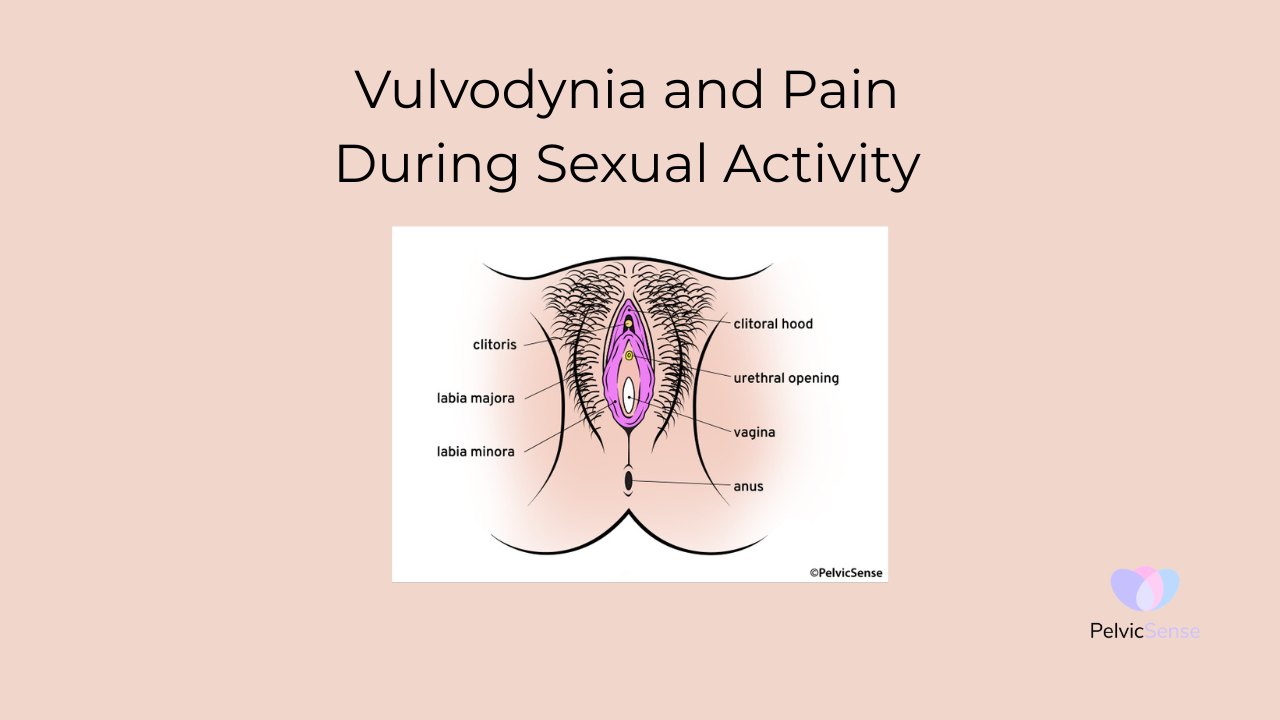
Pain during sex, called dyspareunia, is a main sign of vulvodynia, especially provoked vestibulodynia. The pain can feel sharp, burning, or stinging, and may last for hours or days after sex. This can cause worry about intimacy, less interest in sex, and stress in relationships. Addressing both the physical and emotional sides is important for getting better.
Vulvodynia and Bladder or Bowel Symptoms
Because of the close proximity of the vulva, bladder, and bowel, some individuals with vulvodynia also experience:
- Urgency or frequency of urination
- Painful urination
- Bowel discomfort or irritable bowel symptoms
This overlap may happen because the nerves in these pelvic/abdominal areas communicate with each other, called “cross talk," so organs also become sensitive.
Conditions That May Be Mistaken for Vulvodynia
Vulvodynia can mimic or overlap with other conditions, making diagnosis challenging. Common conditions mistaken for vulvodynia include:
- Yeast or bacterial infections
- Lichen sclerosus or lichen planus (skin disorders)
- Herpes simplex virus
- Allergic reactions or contact dermatitis
- Interstitial cystitis/bladder pain syndrome
- Endometriosis
Getting the right diagnosis is important for finding the best treatment. If your symptoms continue after usual treatments, it may help to see a pelvic pain specialist.
How Is Vulvodynia Treated?
There is no single treatment that works for everyone. The best results come from a team approach that fits each person's needs. Some options are:
- Pelvic Floor Physical Therapy: Works to release tight muscles, improve function, and desensitize nerves.
- Medications: Topical anesthetics, oral tricyclic antidepressants, anticonvulsants, or nerve pain medications.
- Counseling and Cognitive Behavioral Therapy (CBT): Helps address the emotional impact of chronic pain and reduce pain-related anxiety.
- Nerve blocks or injections: For severe cases.
- Lifestyle Modifications: Wearing loose clothing, avoiding irritants, and using gentle hygiene products.
- PelvicSense Home Program: An online, evidence-based program that guides users through pelvic floor relaxation, mindfulness, and neuroplasticity exercises. Research supports the effectiveness of mind-body interventions for chronic pain by calming the nervous system and promoting healing.
- Other treatments: Low-level laser therapy, biofeedback, acupuncture, or surgery (rarely).
Self-Care Tips for Managing Vulvodynia
Today's self-care for vulvodynia focuses on calming the nervous system and easing muscle tension. The PelvicSense home program offers a complete, science-backed way for people to take charge of their recovery at home.
PelvicSense Home Program
PelvicSense is an online program grounded in the latest pain science for chronic pelvic pain, including vulvodynia. It provides a clear, step-by-step recovery path focused on:
- Pelvic floor relaxation: Daily guided exercises to help reduce muscle guarding and break the cycle of tension.
- Mindfulness: Skills to soothe the nervous system, send more safety signaling to the brain and promote healing.
- Gentle movement and stretching: Safe, progressive exercises to restore mobility and confidence without flaring symptoms.
- Education: Easy-to-understand lessons on pain science, how the immune system and brain interact, and practical ways to support recovery.
PelvicSense helps relieve pain by focusing on nervous system sensitivity, immune system activity, and muscle tension. This supports the body's natural healing and reduces symptoms.
PelvicSense Pilot Study Results
In a recent pilot study, women diagnosed with provoked vestibulodynia who used the PelvicSense program for three months experienced a remarkable improvement in their pain: on average, participants saw their pain levels drop by three points on the 0-10 numeric pain rating scale. Clinically, a two-point reduction is considered meaningful, so these results suggest a powerful benefit.
The study also measured pain catastrophizing, a scale of worry, fear, and feeling helpless about pain. At the start, participants’ scores reflected risk of moderate disability in a year. After three months with PelvicSense, their scores fell into the no-disability range, indicating a significant reduction in pain-related distress and worry.
These results show that PelvicSense's modern mind-body methods can truly help people dealing with ongoing vulvar pain.
Many people find symptom relief through other self-care strategies, especially when combined with medical care:
- Use fragrance-free, hypoallergenic hygiene products
- Avoid tight clothing and synthetic underwear
- Apply cool compresses for temporary relief
- Use water-based lubricants during sexual activity
How Vulvodynia Can Affect Daily Life
Vulvodynia can have a profound impact on daily life, including the following:
- Disrupted sleep due to nighttime pain
- Difficulty sitting or exercising
- Strained relationships due to intimacy challenges
- Emotional distress, anxiety, or depression
- Reduced work productivity or social engagement
Getting help from doctors and loved ones, along with using home programs like PelvicSense, can help you feel more in control and improve your quality of life.
Conclusion
Vulvodynia is a complex, often misunderstood condition, but advances in research including central sensitization and neuroplasticity have led to better understanding and more effective treatments. Home-based programs like PelvicSense empower individuals to actively participate in their recovery, offering evidence-based tools to reduce pain and restore function. Early intervention, proper diagnosis, and a holistic approach are crucial for lasting relief.
FAQs
Can vulvodynia feel like a UTI?
Yes, vulvodynia can sometimes mimic urinary tract infection symptoms, such as burning, urgency, and discomfort during urination. However, vulvodynia is not caused by infection, and urine tests are typically normal.
What does vulvodynia look like?
Most often, vulvodynia does not cause visible changes to the vulva. The skin may appear normal, though some redness or irritation can occur from persistent pain or scratching. Diagnosis is based on symptoms and by ruling out other causes.
How can I cure my vulvodynia?
Many people feel much better by using a mix of treatments, such as pelvic floor therapy, medicine, counseling, and home programs like PelvicSense. Sticking with a care plan that fits you and using modern pain science can make a big difference. While full cures are rare, you can still find real relief and enjoy a better quality of life.
What is the fastest way to get rid of vulvodynia?
There is no quick cure, but the best way to get better is to use a full approach that calms the nervous system, retrains the brain, and relaxes the muscles. This means practicing self-care, pelvic floor relaxation, mind-body techniques, and working with specialists who understand pain. Online programs like PelvicSense can help break the cycle of pain.
Why is vulvodynia worse at night?
Pain can feel worse at night because there are fewer distractions, muscles may be more tense as we usually don't move during sleep, or hormones may change. Listening to a relaxation audio, like our Rewire before bed may help ease nighttime distress.
Author
